 Weather data provided by OpenWeather
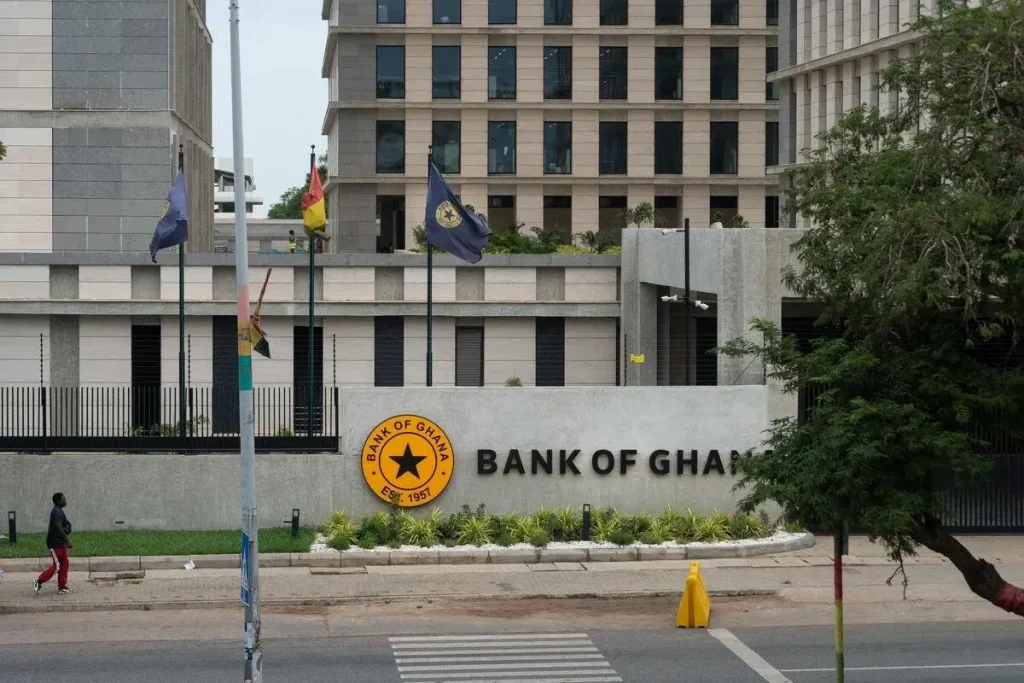
The Bank of Ghana has given lenders 12 months to draw up a roadmap for using alternative data in credit decisions, so borrowers without collateral or credit histories can access loans.
According to reports, the push was set out at a two-day Data Providers Conference at the Alisa Hotel in Accra, co-hosted with the International Finance Corporation and supported by Switzerland’s SECO.
Dr Settor Kwabla Amediku, the Governor’s Special Aide on Financial Stability, opened the meeting standing in for Second Deputy Governor Matilda Asante-Asiedu and tasked stakeholders with a measurable plan within a year.
The data in question covers mobile money histories, utility payments and supplier settlements. Private-sector credit rose 37.2 per cent in October to GH¢135.7bn, according to central bank data, but lenders still struggle to read borrowers outside formal banking.
Dr Amediku illustrated the gap with a Makola trader who pays suppliers and bills by phone yet cannot raise working capital for want of a borrowing record.
He said consumer privacy and ethical data handling are non-negotiable, and that the central bank wants credit that recognises viable activity while protecting financial stability.
The IFC’s Principal Country Officer for Ghana, Deo Onyango, said lenders must look beyond conventional records in a market of about 1.9 million enterprises. He wants the forum to agree which data sources to prioritise, what each institution must do next, and how the partners will keep working together afterwards.
The meeting reviews a diagnostic study of alternative data and lending, the feasibility assessment IFC commissioned for Ghana’s credit reporting system.
It forms part of IFC’s credit-reporting support programme for the country, which promotes alternative data for small enterprises without credit histories.
Ahead of National Farmers’ Day in Sunyani on 4 December, the venture capital industry has made the same case for women farmers.
Amma Gyampo, Chief Executive of the Ghana Venture Capital and Private Equity Association, says banks should read MoMo histories rather than demand collateral that shuts out growers.