 Weather data provided by OpenWeather
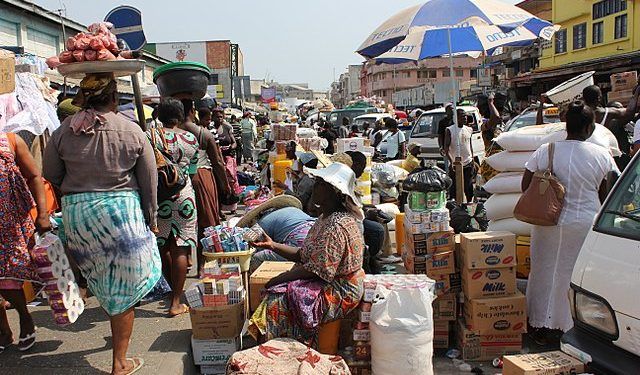
Ghana’s economic reforms are helping restore investor confidence, with the country and other West African economies expected to record stronger growth.
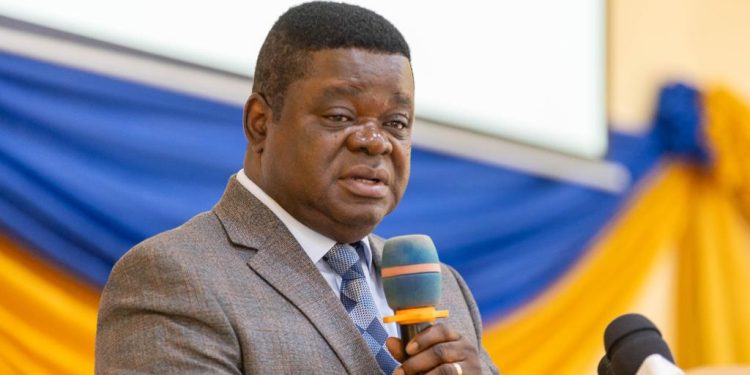
That’s the assessment of Standard Bank Group chief economist, Goolam Ballim, who says the region is transitioning from years of low single-digit growth to mid-single-digit performance.
Balim says Ghana’s relatively healthier fiscal position, compared with previous years, coupled with its oil-producing status, puts the country in a favourable position.
He believes, however, that the quality of growth across West Africa is particularly encouraging, as economic reforms and improving investment flows increasingly complement the region’s natural resource base.
The Standard Bank Group chief economist spoke to 3 Business on the sidelines of the One Young World Conference in Cape Town, South Africa.
“So Ghana, of course, has got hydrocarbons in its GDP maker. It has also got a reasonably healthy fiscal position compared to some years ago, when that was quite burdensome on the market. So we have quite favourable views on Ghana; in fact, the entire West Africa zone.”
He says the region’s improving economic fortunes are not simply a consequence of higher commodity prices, but also reflect the impact of structural reforms in attracting investment.
“What I like about West Africa, including Ghana, Nigeria and Angola, is the quality of growth that is coming through. It is not just on the back of, let’s say, higher hydrocarbon prices, but also the reform agenda has been instrumental in underpinning growth.”
Despite global economic uncertainties and elevated crude oil prices, Ballim projects African economies will maintain growth of between four and four-and-a-half per cent this year, rising to about four-and-a-half per cent next year.
“Favourably, though, the continent can still muster about four to four and a half per cent growth this year and four and a half percent next year. And that speaks to underlying forces that were already in play as we entered 2026, providing a degree of resilience.”
For Ghana, the challenge will be to sustain the reform momentum, attract long-term investment and translate improving economic conditions into productive activity and jobs.
The country’s 2026 economic growth projections ranged from 4.6% to 5.7% across major institutions like the World Bank, AfDB, and IMF, yet the country has outperformed initial targets with actual GDP growth hitting 6.4% in Q1 and 6.0% in Q2. Driven by a booming ICT sector, falling single-digit inflation (5.5% in October 2026), and completed IMF debt restructuring, Ghana has maintained strong economic momentum despite global supply chain pressures and ongoing job creation challenges.